

The Special Needs Trust

Leaving them money can cost them their benefits. A trust lets you do both.
Guardianship and Estate Planning

There is no default guardian. Without a nomination, a judge who never met you decides.
Irrevocable Life Insurance Trusts (ILITs): Keeping a Payout Out of Your Taxable Estate
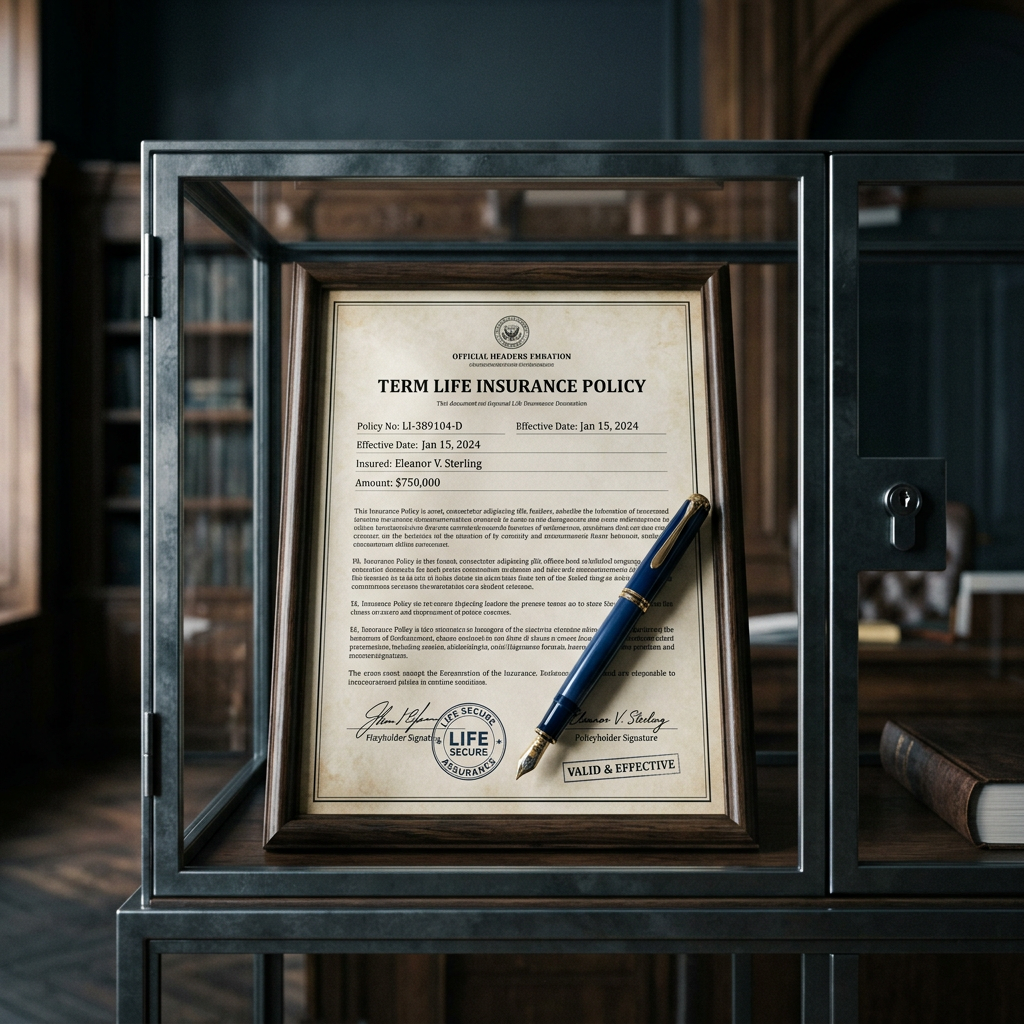
A business owner carried a $3 million life insurance policy so his family could cover estate taxes when he died. Because he personally owned the policy, its payout counted toward his own taxable estate.
Inside the Irrevocable Trust: ILITs, GRATs and SLATs Explained

You trade flexibility for one specific benefit. Three structures, three very different trades.
Intestate Succession: The State's Plan for Your Estate If You Never Wrote One

Dying without a will doesn’t mean dying without an estate plan. It means dying with someone else’s plan — one written years before you were born, by a legislature that has never met you.
Controlling Distributions With Spendthrift Provisions

A will hands over everything at once. A trust lets you decide when, and on what terms.
Inheritance, Explained: What You're Actually Entitled To

When Carla’s father died, the lawyer’s office said she was “named in the will.” She spent six weeks assuming a check was coming. It wasn’t a check — it was considerably more complicated than that.
Living in the House You No Longer Own: How Life Estates Work

They live there for life. Your children still inherit it. Both can be true.
Inheritance Tax vs. Estate Tax: You Probably Don't Owe What You Think

A woman in Ohio spent a week panicking over an inherited $40,000, convinced the IRS would take a third of it. Her fear was real. Her math was aimed at a tax that didn’t exist.
What Are Trusts and How Do They Work?

A will is a letter to a judge. A trust is a contract that already works.