Watch This Lesson
Mention the phrase “trust fund” in modern culture and it conjures images of wealthy heirs living lavishly on endless bank accounts. In reality a trust fund is not a badge of the ultra-rich. It is a legal container built to solve a very human problem. When passing down wealth, many parents and grandparents ask: how can I leave an inheritance to my child or grandchild without handing over a lump sum that might overwhelm them or be spent recklessly?
Underneath that sits an unexamined assumption: that inheritance is all or nothing, that you must either write a single unprotected check or cut the beneficiary out entirely. The more useful question is how to structure timelines and oversight so a trustee has clear, binding instructions for real-life situations, whether that is age-based immaturity, mental illness or active addiction, without starting a family war.
The Power of Controlling Time
At the end of the day, it’s just controlling time. One of the beautiful things about using a trust versus a will, you get to control time. Not only do you decide who gets what, you get to decide how and when they get it.
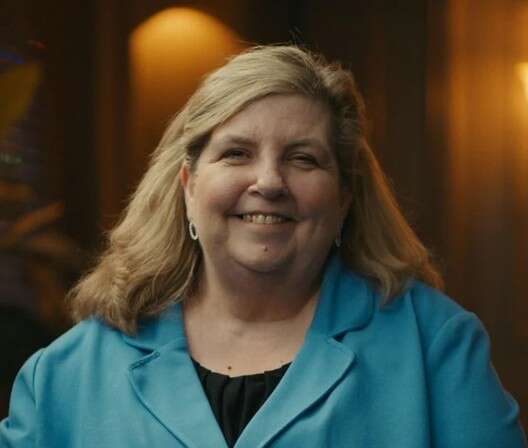
Renee Parris, Estate Planning, Simplified
A will typically distributes assets in a single mandatory lump sum once probate completes. A trust lets you stretch distributions across years or decades, aligning the inheritance with a beneficiary’s maturity and shielding them from the weight of sudden wealth.
Staged Distributions
I have a 21-year-old son, and if my husband and I died today, he would inherit 50% of our estate. But he’s 21. Is a 21-year-old responsible enough to inherit 50% of somebody’s estate? He may need more money later in life when he decides he’s going to get married, buy a house, go to college, start a business.
Renee Parris, Estate Planning, Simplified
The structure she chose was a staged distribution: one third now, another third at 25, the final third at 28.
Those timelines do not lock the money away during an emergency. A well-drafted trust includes customized early-access provisions.
If in between any of those stages he wants to put a down payment on a house, or he decides he wants to go back to college, or he has a health care crisis that his health insurance is not going to cover, we put in those control distribution options. Can he use that money early? And if so, how much can he use? That is the power of spendthrift options and distribution control options.
Renee Parris, Estate Planning, Simplified
Protecting Beneficiaries From Themselves
Staged distributions handle age. Spendthrift provisions also address harder vulnerabilities, and a trust can treat every beneficiary differently.
Every beneficiary can be treated separately. You might have one beneficiary who can have everything I’m giving them all at once. They’re good to go. You might have another child who you’re just trying to control time for.
Renee Parris, Estate Planning, Simplified
Where mental illness is a factor, a trust can provide a managed income stream with a trustee empowered to assess stability.
You might have a beneficiary that struggles with mental illness. On a good day, they’re fine. They can handle whatever you leave them. On a bad day, not so much. Sometimes it’s about controlling and helping protect beneficiaries from themselves.
Renee Parris, Estate Planning, Simplified
Parris shares a personal example about her own brother, who was addicted for 45 years.
If you leave money to somebody who’s addicted, and most all families have been touched by some sort of substance abuse addiction, it would have been a disaster because he would have made really unwise choices with that money. So in their documents, they said he has to prove that he’s clean. If he’s not clean, the trustee doesn’t give him his distribution. The trustee has a lot of control based on your instructions to them. They don’t just willy-nilly make decisions. You tell them what you want done.
Renee Parris, Estate Planning, Simplified
High Earners and Tax Timing
Distribution control is not only about protecting heirs from bad outcomes. If a child is already a high earner in a peak tax bracket, a sudden lump sum can push them higher still. Delaying their inheritance to a later age can be a deliberate tax decision rather than a judgment about their character.
Families have long used conditions to encourage responsibility. Bing Crosby is the frequently cited example, having structured his trust so his children could not reach their primary inheritances until they met certain age and stability thresholds. Trusts are private by design, which is why so few such arrangements are ever publicly known.
Stewardship, Not Suspicion
Building spendthrift and distribution controls into a plan shifts the conversation away from who gets what and toward timing, protection and preservation. Giving a trustee precise instructions for navigating a beneficiary’s early twenties, a mental health crisis, or active addiction is what keeps an inheritance a foundation rather than a shock.
Sources
- Renee Parris, Estate Planning, Simplified, Module 4, Lesson 4 — course transcript.
- Restatement (Third) of Trusts — spendthrift and protective provisions.
- Bogert, The Law of Trusts and Trustees — trustee discretionary powers and spendthrift clauses.
This article is for educational purposes only and does not constitute legal, tax, or financial advice. Readers should consult a qualified estate planning attorney or licensed professional in their jurisdiction to design a plan that matches their specific circumstances.
About the instructor: Renee Parris is an estate planning educator with over 30 years of experience. This article is a companion piece to Renee’s course, Estate Planning, Simplified.