Watch This Lesson
When people think of estate planning, they almost always think of death — a lawyer reading a will to grieving family in a wood-panelled room. But some of the most important parts of a plan are designed to protect you, your finances, and your medical wishes while you are very much alive.
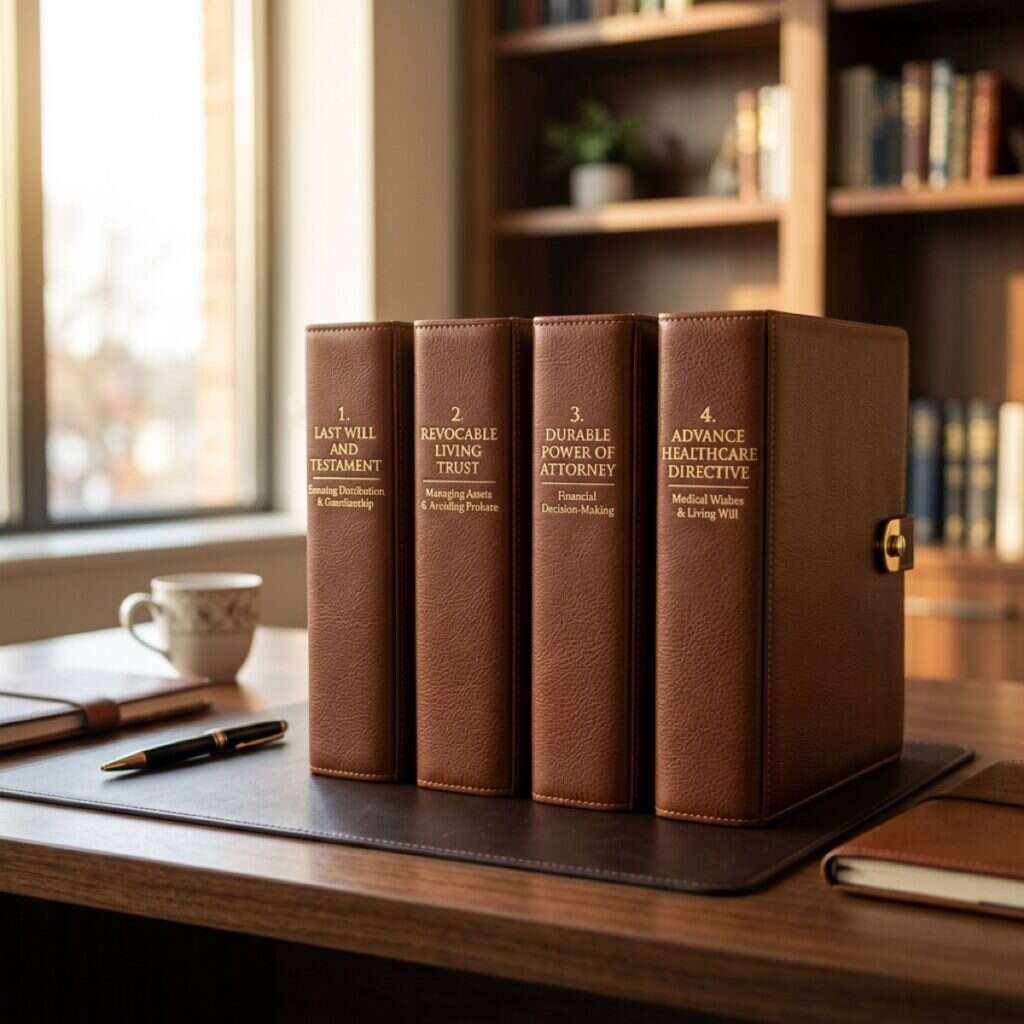
A comprehensive plan does not rest on a single document. It is built on four pillars that work together. Without all four, the plan is incomplete, and you remain exposed to court intervention, frozen finances, and medical confusion during a crisis.
Pillars One and Two: Living Documents
Number one and number two fall under what we call your living documents. Those are also referred to as power of attorney. Some states might call it an agent or personal representative… It’s your decision makers for your health care decisions and your financial transactions, all the things that you manage on a financial basis, if you are incapacitated.
Renee Parris, Estate Planning, Simplified
Parris puts the lifetime risk of incapacity at a high figure — a professional estimate from decades of practice rather than an independently audited statistic, and one that is worth treating as such. The underlying point stands regardless: cognitive decline, a stroke or an accident can leave you alive but unable to decide, while bills still have to be paid and decisions still have to be made.
There are two main types. A general power of attorney lets your agent act at any time, which is sometimes used for convenience — handling transactions while you travel, for instance. Most people choose a springing or durable power of attorney instead.
Most people don’t want somebody making their decisions for them unless they can’t do it for themselves. So we call that upon incapacity. It means a doctor has to sign saying you’re incapacitated… They get sprung into action to act on your behalf when you cannot do it for yourself. If you’re fine, you recover. That power gets revoked.
Renee Parris, Estate Planning, Simplified
Because that agent legally steps into your shoes, this is a role that requires a real conversation, not just a signature.
They are you. And the important part is you don’t just name them. You actually have a conversation with them and let them know what you would have wanted done because they’re supposed to be you. They’re not making your decisions from their perspective. They’re making them from yours.
Renee Parris, Estate Planning, Simplified
Pillar Three: End-of-Life Documents
The third pillar covers your healthcare wishes at the very end of life — the living will, or advance healthcare directive. Unlike a power of attorney, which delegates decisions to a person, this is a direct instruction from you to your medical providers: whether you want to be resuscitated, whether you want to be kept alive by artificial means, whether you want artificial food and fluids, whether you want pain management to keep you comfortable.
This document is unique in that hospitals have immediate statutory authority to act on it. In fact, hospitals prioritize it so highly that if you arrive without one, they will often send someone to your room to help you complete it. As Parris notes, “they can’t do your will, they can’t do a trust, but they’ll do that one because it’s really critically important.”
Pillar Four: Transfer After Death
Once you pass away, the living and end-of-life documents have done their job. As Parris puts it: “All of those other living documents, by the way, can go in the trash. Once you’re gone, they’re never going to be needed again.” At that point the fourth pillar takes over.
There are only three legally recognized pathways to transfer property to your beneficiaries: a last will and testament, a revocable living trust, and beneficiary designations on accounts like investments and life insurance.
A common point of confusion is whether you need both a will and a trust. You do not need to duplicate the primary vehicle:
Not everything can have a beneficiary designation. That’s why we need the will or the trust for the things that cannot transfer by way of beneficiary. So you don’t need a will and a trust. You need one or the other. So you need beneficiaries when they’re applicable and then either a will or a trust.
Renee Parris, Estate Planning, Simplified
Which one you choose determines whether your estate passes through public, court-supervised probate, or is settled privately.
Making the Plan Usable
Perfect documents are worthless if nobody can find them in a crisis.
None of these documents mean anything if they can’t be found and produced. Nobody knows your wishes. So make sure that the right people have them.
Renee Parris, Estate Planning, Simplified
Give your power of attorney agents physical or digital copies. Make sure your primary care physician and local hospital have your advance directive uploaded into your medical record, so it is accessible the moment it matters.
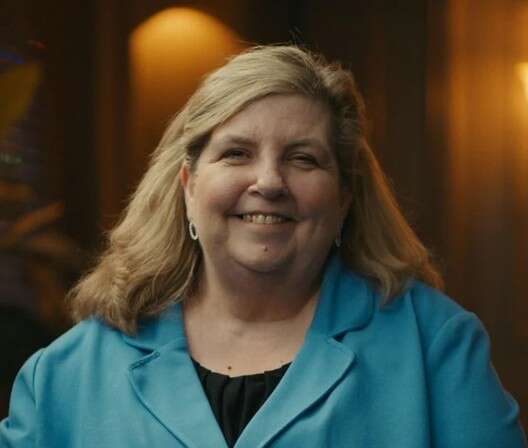
About the instructor: Renee Parris is an estate planning educator with over 30 years of experience. This article is a companion piece to Renee’s course, Estate Planning, Simplified.
Sources
- Renee Parris, Estate Planning, Simplified, Module 3, Lesson 1 — course transcript.
- The incapacity likelihood cited in the lesson is Renee’s professional estimate and has not been independently verified against a primary actuarial, medical or government source. A different figure appears in another lesson of the same course; both should be read as approximate.
This article is for educational purposes only and does not constitute legal, tax, or financial advice. Consult a qualified estate planning attorney or licensed professional in your jurisdiction to discuss your specific circumstances before making any decisions.