
Watch This Lesson
Imagine trying to make some of the most critical legal and financial decisions of your life at a moment when you can focus on little else than your immediate sense of loss. When a loved one passes away, grief is not just an emotional weight; it is a severe cognitive disruptor. In the words of estate planning educator Renee Parris, making decisions when grief is fresh and raw is “like making decisions when your decision maker is broken.”
Yet many people unwittingly leave this exact burden on the shoulders of those they love most, forcing children, spouses, or close friends to navigate court processes, asset divisions, and administrative paperwork at the precise moment they are least equipped to do it. If we all know we need an estate plan, why do so many families remain unprepared? It is not a lack of love. It is three invisible barriers that freeze people in place before they begin.
The Three Invisible Walls: Time, Expense, and Doubt
The three barriers that I always hear back are the price and the time and not understanding what to do. Because there are always other ways to spend our time and money. And for the decision-making part of it, we’re just not sure what to do. We think, when I have the time and energy to wrap my brain around all of this, I’ll figure it out and I’ll make some decisions.
Renee Parris, Estate Planning, Simplified
This hesitation creates a dangerous status quo. In reality, estate planning is not a body of complex legal theory you must master before speaking to a professional. As Parris puts it, “Estate planning is not difficult. It’s just a series of decisions and documents.” The professional’s job is to handle the technical work; your job is to decide who should get what, and who you want in charge.
The Cost of the Waiting Game
From three decades of practice, Parris estimates that around half of Americans have done no estate planning at all, and that among those who have a plan, a large majority are no longer comprehensive — documents drafted years or decades ago, left on a shelf, and disconnected from the family’s current assets, marriages, divorces, births, or deaths. These figures are her professional observations rather than independently verified survey data, but the underlying pattern is one every estate practitioner recognizes.
One of the chief reasons people let plans go stale is waiting for a perfect moment that never arrives.
Sometimes people will say, I’m going to wait because my daughter’s getting married next year. Or my son’s about to have our first grandchild. I’m going to wait because I need to include those people or that aspect of my planning. I say no. I’ve been doing this for three decades. And what I know is life is not promised to any of us tomorrow.
Renee Parris, Estate Planning, Simplified
Capturing Your Life in a Snapshot
The advice is to abandon the search for a static, perfect moment. Your life will always be in motion. Instead of waiting for a pause that never comes, the goal is to capture a precise snapshot of your life as it exists right now.
What we do is we create a snapshot of what your life looks like now. What assets do you have? What desires do you have? What are your beneficiary wishes? What are you trying to accomplish? We put that plan in place today, knowing that if life changes tomorrow, it’s very simple to update your documents.
Renee Parris, Estate Planning, Simplified
Establishing your core documents — will, trust, powers of attorney, healthcare directives — creates an immediate shield for your family. If your daughter marries next year, or a grandchild arrives, you do not throw the plan away; you make a targeted amendment. But you cannot amend a plan that was never created.
The Ultimate Gift: Doing the Hard Work First
At its core, estate planning is an act of quiet generosity. It is about removing decision-making friction from the people who will be mourning you.
At the end of the day, you’re going to be mourned and missed and grieved by somebody or a group of somebodies. Those people should be able to mourn and grieve and miss you and not have to make a bunch of decisions. So let me encourage you. You do the work for them. So all they have to do is pick up your documents and honor and execute your wishes.
Renee Parris, Estate Planning, Simplified
When you do the heavy lifting today — deciding who is in charge of your accounts, who guides your healthcare, and how your belongings are distributed — you ensure your family can focus on healing. When their decision maker is broken by grief, they do not have to make any choices at all. They only have to follow the map you left behind.
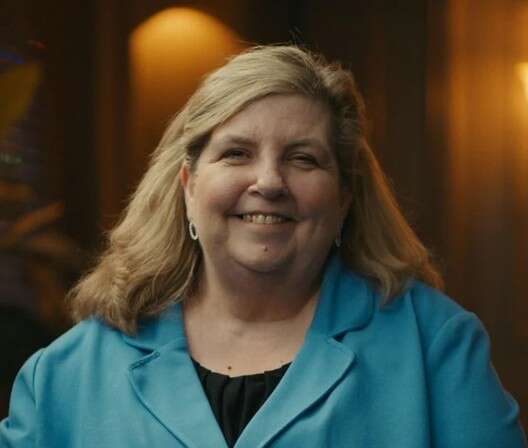
About the instructor: Renee Parris is an estate planning educator with over 30 years of experience. This article is a companion piece to Renee’s course, Estate Planning, Simplified.
Sources
- Renee Parris, Estate Planning, Simplified — the figures on how many Americans lack a plan, and how many existing plans are out of date, are drawn from her professional experience and have not been independently verified against published survey data.
This article is for educational purposes only and does not constitute legal, tax, or financial advice. Estate planning is highly fact-specific and subject to state-level laws. Always consult a licensed estate planning attorney or qualified professional in your jurisdiction to address your specific circumstances.