Watch This Lesson
For many, the appeal of a do-it-yourself project is undeniable. There is a quiet satisfaction in fixing a leaky faucet, tiling a kitchen backsplash, or building a bookshelf with your own hands. But some tasks carry a margin of error so thin, and consequences so irreversible, that treating them as weekend hobbies is a dangerous gamble. Chief among these is estate planning.
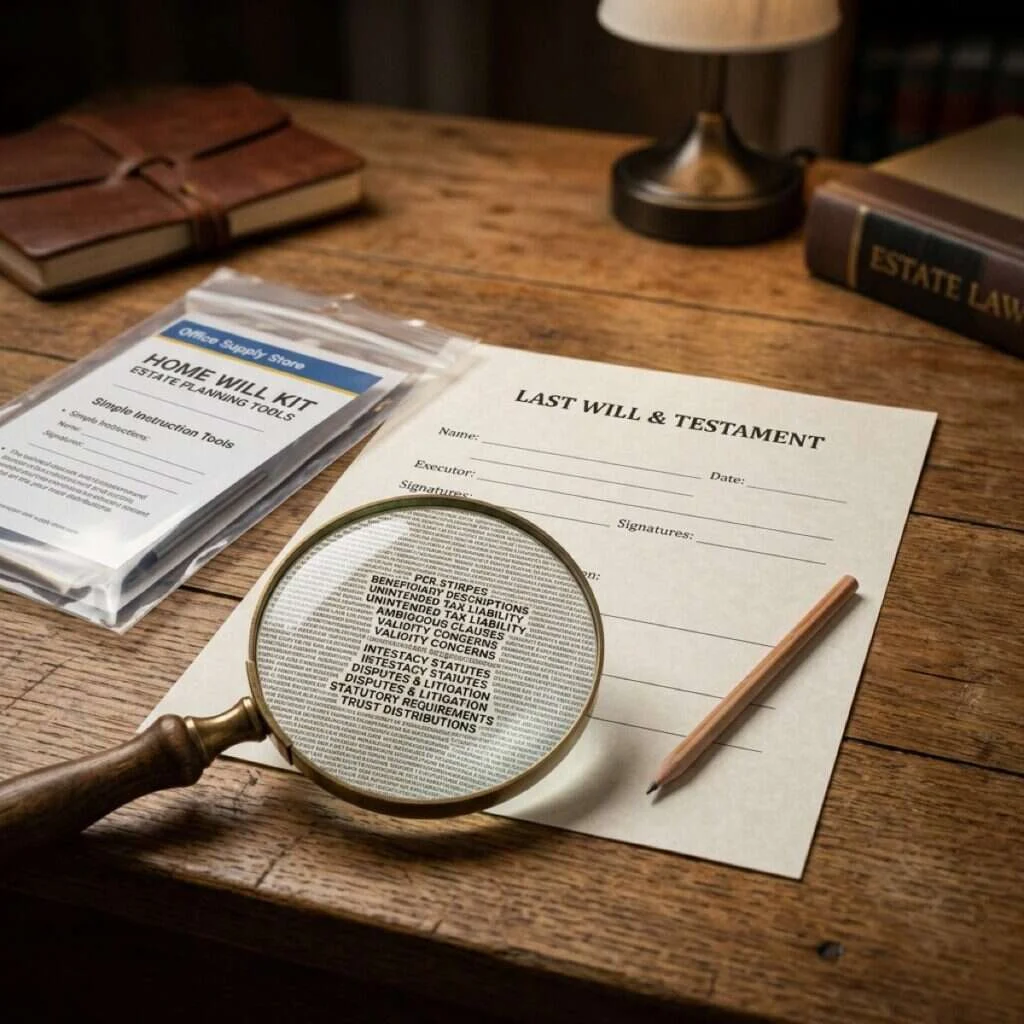
Estate planning educator Renee Parris addresses one of the most common and costly mistakes she sees: the rise of self-drafted estate documents, online templates, and generic will kits. While these tools promise convenience and affordability, they often build a false sense of security that crumbles at the worst possible moment — when the creator is either incapacitated or has passed away, leaving their family to deal with the fallout.
The Napkin Will of 1926 vs. the Reality of Today
A century ago, the legal and financial landscape was vastly simpler. Assets were primarily tangible, families were traditionally structured, and the laws governing inheritance were far less intricate.
Back 100 years ago, maybe that worked. You could literally scribble what you wanted on the back of a napkin, sign your name. Nobody ever challenged anything. Nobody questioned whether that was Uncle Johnny’s signature. It just worked.
Renee Parris, Estate Planning, Simplified
Today, that simple era is gone. We live in an age of digital assets, blended families, complex tax codes, and highly litigious probate environments. Scribbling wishes on a napkin or filling out a pre-packaged form from an office supply store is no longer sufficient. As Parris puts it: “It doesn’t work like that anymore. There’s too many layers of complexity. Too many things are different state to state. Too many opportunities for loopholes that exist that you don’t even know exist because it’s not your field of expertise.”
The Danger of the Loophole Trap
The core issue with DIY estate planning tools is that they cannot account for what you do not know. Because these templates are designed to be generic, they gloss over critical nuances in state laws. A will template that is perfectly valid in one jurisdiction may be completely ineffective in another due to differences in witness requirements, notary formalities, or the treatment of marital property.
Furthermore, a generic template cannot coordinate your estate plan with your actual asset titles and beneficiary designations. You can draft the most beautifully worded will in the world, but if your bank accounts, real estate deeds, or retirement plans are titled incorrectly, those assets will bypass the will entirely, often ending up with unintended recipients. A professional estate planning attorney does not just draft documents; they audit your entire financial picture to ensure your assets are aligned with your wishes.
A Question of Expertise
When it comes to estate planning, there are a few things in life that I say, let the experts do what the experts do. If you have a brain issue, you’re not going to do surgery on yourself. You’re going to seek out the best brain surgeon around.
Renee Parris, Estate Planning, Simplified
While writing a will may seem less invasive than surgery, the legal complexity is real, and the permanent impact on your family’s future is profound. When you draft legal documents yourself, you are acting as your own attorney without the training, experience, or professional insurance. As Parris notes, “as those laws change, it could affect your documents and you don’t even know. Or if you’re drafting it yourself, you don’t know what exposure you’re leaving, that your plan is not as ironclad as you intended it to be.”
Is It Binding? Yes. Will It Work? Often Not.
One of the most confusing aspects for consumers is the distinction between a document being legally binding and being effective. Many people believe that as long as they sign a template and get it notarized, they have successfully completed their estate plan. Technically, the document may well be binding. But that is the wrong metric for success.
Is it legally binding if you do it yourself and get it notarized and witnessed? Absolutely. Will it be executed the way you intended? I don’t think so. In most cases, no.
Renee Parris, Estate Planning, Simplified
A DIY document might be technically valid under the law and still be filled with ambiguous terms, conflicting provisions, or statutory omissions that trigger a probate court challenge. The document is binding; the resulting execution can be litigation, delays, and unexpected burdens for your heirs.
The Value of Specialization
If you want to ensure that your legacy is protected and that your wishes are executed smoothly, the path is clear: let the professionals handle the drafting. An experienced estate planning attorney acts as an architect, designing a plan tailored to your family dynamics, financial goals, and state laws. They ensure that your plan remains effective as laws change and as your life evolves.
About the instructor: Renee Parris is an estate planning educator with over 30 years of experience. This article is a companion piece to Renee’s course, Estate Planning, Simplified.
Sources
- Uniform Probate Code and individual state probate statutes — for example, California Probate Code Section 6110, regarding execution of wills.
- American Bar Association, Section of Real Property, Trust and Estate Law — guidance on do-it-yourself estate planning and the litigation that can follow ambiguous self-drafted wills.
This article is for educational purposes only and does not constitute legal, tax, or financial advice. Estate planning laws are highly state- and fact-specific; always consult a licensed estate planning attorney in your jurisdiction to ensure your plan is legally sound and executed according to your intentions.