
Watch This Lesson
There are some conversations we simply do not have around the Sunday dinner table. We talk about our grandchildren, our gardens, our travels, and our plans for next week. But the deeper, quieter thoughts — the ones concerning what happens to us, our bodies, and our tangible memories after we are gone — stay internal. We think about them, but we rarely say them out loud. When it comes to a comprehensive estate plan, that silent territory is exactly where clarity matters most.
When it comes to estate planning, what we’re really talking about are conversations that you don’t talk about around a Sunday dinner table. These things that we internalize, these things that we think about, but we never say out loud. So it can be very emotional. It can dig pretty deep. And that’s by design. Because what happens to you, your body, your organs, your stuff after you’re gone are all very personal decisions.
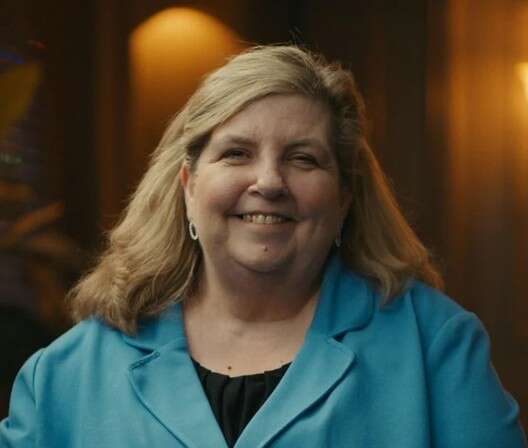
Renee Parris, Estate Planning, Simplified
When Personal Beliefs and Family Grief Collide
The choice between traditional burial and cremation is one of the most intimate decisions a person can make, and it is an area where family members often hold strong, sometimes conflicting opinions. Leaving these instructions unwritten does not save your family from a difficult choice — it forces them into one during their hardest hour.
Renee saw this inside her own family when her father passed away. He had made his wishes known verbally: he wanted to be cremated. Yet the emotional weight of that decision fell heavily on those left behind. “My mother, as his spouse, decided that she didn’t want to do that because it’s a very personal thing, and she felt like she would rather him have been buried.”
This tension is common. Under the weight of fresh grief, family members may project their own religious, ethical, or emotional comfort onto the deceased. The standard worth aiming for is clear:
When it comes to our body and how it’s handled after we pass away, it should be based on our wishes. And the people that we leave in charge to make those decisions should just honor and execute. They should just respect our wishes as ours, and not as their own choice.
Renee Parris, Estate Planning, Simplified
More Than a One-Word Choice
Selecting burial or cremation is only the first step. A complete directive answers the questions your family will face immediately:
- If you choose burial: where do you want your final resting place to be? Is there a family plot? Do you have a preferred funeral home or specific service details in mind?
- If you choose cremation: what should happen to your remains? Kept at home, interred in a columbarium, or scattered somewhere meaningful?
- The legalities of scattering: many people assume ashes can be scattered anywhere. Local, state, and federal regulations govern where and how remains may be released. Documenting a realistic, compliant plan spares your survivors legal and logistical hurdles while they are grieving.
If you put it in writing, then people see your instructions and nobody has to make decisions. Because you may have one family member who says, let’s do what he wanted, and another family member that for whatever religious, ethical, or moral point of view says no.
Renee Parris, Estate Planning, Simplified
Easing the Emotional and Financial Burden
There are two main ways to ensure your final wishes are honored without creating friction. The first is documenting your instructions clearly as part of your estate plan. The second is pre-planning and, where it suits you, prepaying.
Many people choose to prepay funeral and burial packages directly with a funeral home or crematory. As Parris notes, “if you prepay it, obviously that’s less expense that has to come out of the estate later.” It can lock in current pricing and removes a significant financial decision from your family within hours of your passing.
But even without prepaying, simply writing down your choices is a real form of protection. It changes your family’s role from decision-makers to executors. Instead of guessing at what you would have wanted, they carry out the instructions you left.
About the instructor: Renee Parris is an estate planning educator with over 30 years of experience. This article is a companion piece to Renee’s course, Estate Planning, Simplified.
Sources
- Renee Parris, Estate Planning, Simplified — the family account and the discussion of unwritten burial wishes are drawn from her spoken course material and have not been independently verified.
This article is for educational purposes only and does not constitute legal, tax, or financial advice. Rules governing the disposition of human remains vary widely by state and municipality. Consult a licensed estate planning attorney or a funeral planning professional in your state to ensure your directives are legally binding and executable.