Watch This Lesson
Dying without a will does not mean dying without an estate plan. It means dying with the plan written by your state legislature. It is a plan written by politicians who have never met you, who do not know your family, and who apply the exact same impersonal formula to your life’s work as they do to millions of other strangers. Many people assume that their family will naturally sort things out after they are gone, or that state laws will automatically protect a surviving spouse. Unfortunately, as estate planning educator Renee Parris witnessed firsthand, those assumptions can shatter families when they meet the reality of the probate court.
A Hard Lesson at Eighteen
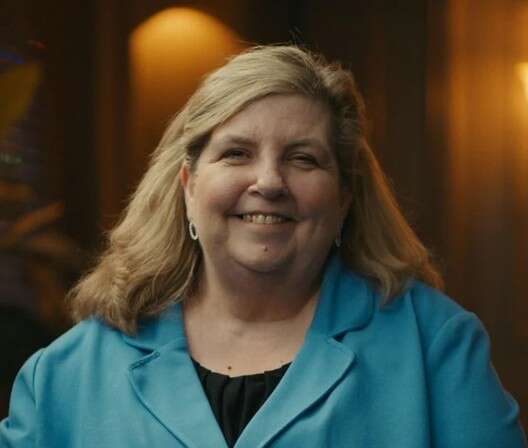
For over 30 years, Renee Parris has helped families navigate the complex landscape of estate planning. Her entire professional trajectory was set in motion when she was just eighteen years old, watching her grandfather’s estate pass through the probate system. Her grandparents had been married for decades, owning a family business, land, a home, and financial resources. They assumed that because they built their life together, everything would automatically pass to the survivor. But because her grandfather died intestate — without a will — a county probate judge, bound by state law, stepped in to decide.
My grandparents had been married forever and everything they owned they held jointly… the assumption was when my grandfather passed away everything would go to my grandmother. But because he died intestate and he left no instructions behind, what really happened is that a probate judge in the county where they lived got to decide based on state law… What the judge ultimately decided was that 50% of my grandfather’s estate would go to my grandmother. The other 50% was to be split between her and her four adult children.
Renee Parris, Estate Planning, Simplified
The Assumption That Splits Estates
Renee’s father and his siblings immediately agreed to give their court-ordered inheritance shares back to their mother. However, the process still left deep emotional scars. The division of assets, the valuation of the business and land, and the forced legal process created unnecessary tension and hard feelings within the family. This is not an isolated story; it is the default statutory design in many states. Under the Uniform Probate Code and similar state intestacy laws, when a married person dies without a will, the surviving spouse does not automatically inherit the entire estate if there are surviving children or parents. The estate is carved up according to a rigid, mathematical formula that ignores individual family needs, personal relationships, or emotional bonds.
The Simple Solution Left Undone
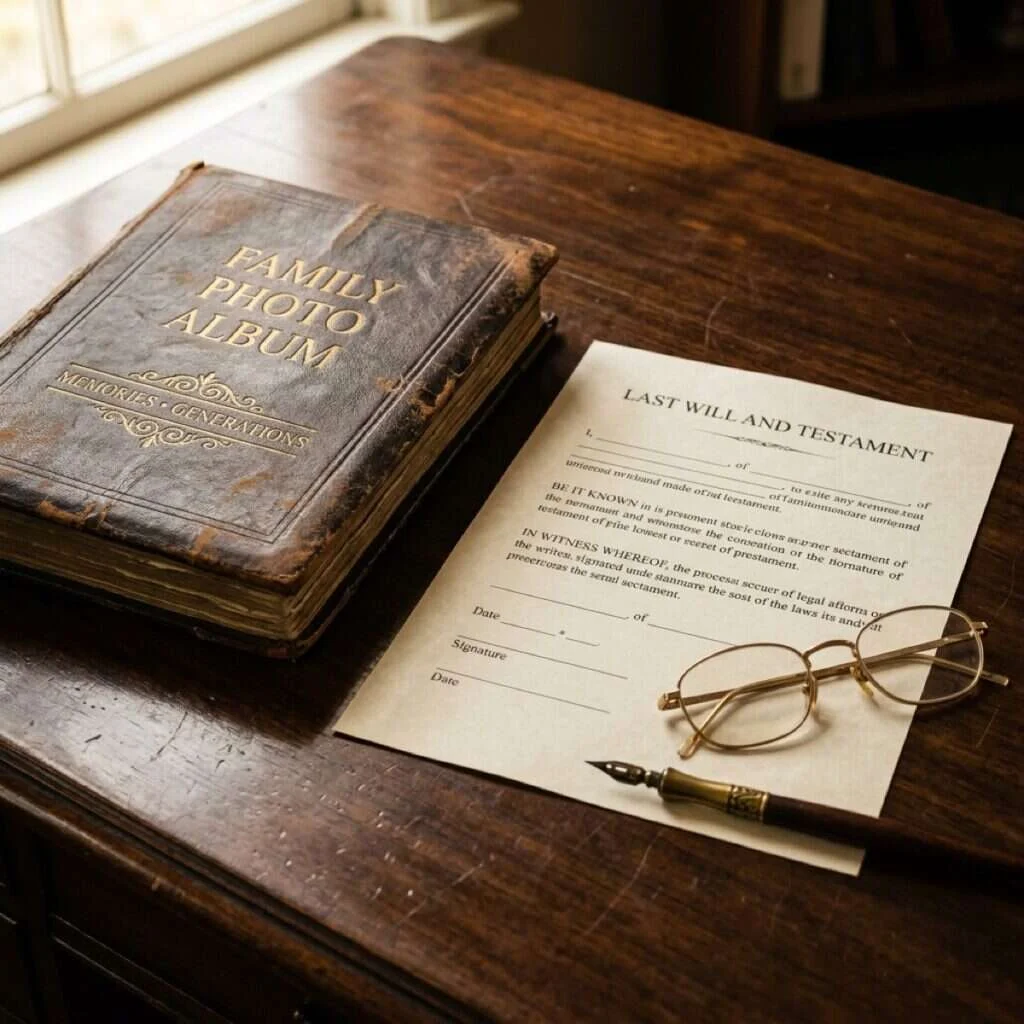
What makes Renee’s family story particularly poignant is how easily the entire crisis could have been avoided. As she reflects in her course, her grandfather did not need a highly complex, multi-million-dollar trust structure to protect his wife. He simply needed a basic last will and testament expressing his direct wishes. If he had executed a simple will stating that everything should go to his wife, the probate judge would have had no authority to divide the estate, no appraisers would have been ordered to dissect their holdings, and the family would have been spared months of emotional and financial strain.
Why did my grandparents not know that all he would have had to draft was a simple last will and testament? Simply saying everything goes to my wife. None of that would have happened. There would have been no judge, there would have been no time commitment of walking through probate. There would have been no decisions and hard feelings.
Renee Parris, Estate Planning, Simplified
Empowering Yourself Through Education
This early, defining experience taught Renee that the details of estate planning are not readily taught in schools, nor are they easily accessible to the general public without paying high attorney fees. She has dedicated her career to making this vital information transparent and accessible, helping individuals make proactive choices rather than leaving their families at the mercy of default state laws. Every family is unique, with different assets, beneficiaries, and values. Understanding your options is the first step toward securing peace of mind and protecting those you love from the cost of doing nothing.
About the instructor: Renee Parris is an estate planning educator with over 30 years of experience. This article is a companion piece to Renee’s course, Estate Planning, Simplified.
Sources
- Uniform Probate Code Section 2-102 (Intestate Share of Surviving Spouse) — outlining the default spousal share rules when a decedent dies without a valid will.
- National Association of Estate Planners and Councils (NAEPC) — industry surveys indicating that a substantial share of Americans have no active estate planning documents in place, leaving their estates subject to state-level intestate distribution.
This article is for educational purposes only and does not constitute legal, tax, or financial advice. Intestate succession formulas, spousal share rules, and representation methods vary significantly by state; consult a licensed estate attorney in your state to understand how these rules would apply to your specific family.